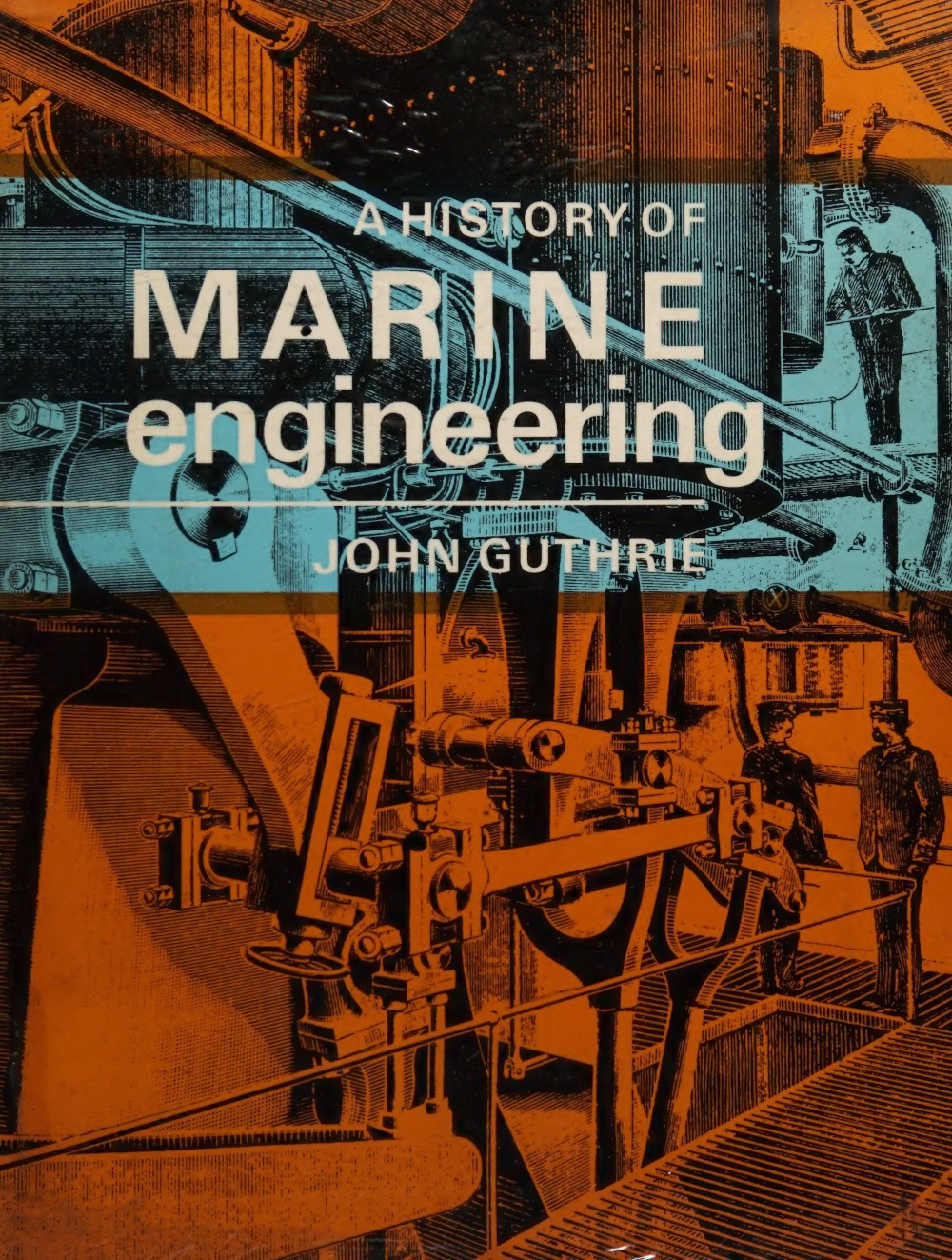
Za autorem: "Rewolucja przemysłowa opierała się na żelazie, węglu i parze. Pierwszy silnik parowy miał ogromne znaczenie w zapoczątkowaniu tej ery technologicznej. Najpierw pojawiły się gigantyczne silniki pompujące, których delikatnie kołyszące się belki były cechą charakterystyczną krajobrazu XIX wieku. W ciągu kilku dekad opracowano silniki na tyle małe, że można je było zamontować w niewielkich jednostkach rzecznych. W latach 30. XIX wieku zbudowano statki oceaniczne, a pierwsze parowce przepłynęły Atlantyk.
Osobne rozdziały obejmują każdą fazę tych wcześniejszych okresów, a książka kontynuuje pojawienie się silników o większej mocy wykorzystujących parę ekspansywnie, aż do rozwoju turbiny - szczytowego wynalazku epoki pary. Omówiono silnik Diesla, a także opowiedziano historię jego rozwoju, aż do okresu gdy stał się dominującą formą napędu o małej i średniej mocy na statkach i okrętach. Opisano zastosowanie turbiny gazowej, a ostatnia sekcja obejmuje systemy napędowe hydrofoilii i poduszkowców. Książka jest dobrze ilustrowana materiałami ze źródeł współczesnych i w połączeniu z 40-letnim doświadczeniem autora jako inżyniera morskiego czytelnik może uzyskać żywy i realistyczny obraz ludzi związanych z projektowaniem i eksploatacją, przeplatających się z technicznymi szczegółami rozwoju silnika stosowanego na jednostkach pływających.
Tu można zakupić książkę: Amazon, Abebook, BookFinder.com
Spis treści w j. angielskim:
- The early steam engine: From vacuum to pressure - from Newcomen’s atmospheric pump to James Watt's rotative beam engine.
- The earliest steamships: Development of the pioneer river steamboats to the crossing of the Atlantic under steam.
- Early marine engineering: Building, running and maintenance of the early marine engines, and the introduction of machine tools.
- Paddle engines: Various types of paddle-wheels and their driving engines.
- Screw engines: Various types of screw propeller and their driving engines - Effect of the screw propeller on engine design
- Compound expansion: Advantages of high-pressure steam on engine design, speed and consumption, and the troubles encountered in early high-pressure boilers.
- American river steamer engines: Description of Western and Eastern River steamboat engines, and side- and stern-wheel propulsion.
- Steam turbines: Direct coupled and geared turbine drive, turbo-electric drive and exhaust steam turbines.
- Some giants in the age of steam: Short descriptions of some of the giant steam engines, reciprocating and turbine, on the Atlantic Ferry run.
- Diesel engines: Development of the heavy oil engine from the original gas engine to the airless injection high-speed compression ignition engine.
- The gas turbine: A review of the various cycles used in gas-turbine drive and their application on board ship.
- Hydrofoils and hovercraft: A dissertation on high-speed foil-borne and air-borne surface ships.
- Steam boilers: The story of the boiler from Newcomen’s steam tank to the water tube and forced circulation boilers.
- Auxiliary machinery: Development of pumping machinery, electric light and power, and refrigeration on board.
